Side-by-Side Model Context Protocol Comparison
Oak Longevity MCP Server vs Sessy — Amazon SES observability
In-depth architectural comparison of the Oak Longevity MCP Server and Sessy — Amazon SES observability MCP servers. Compare execution transports, security boundaries, tool capabilities, quality scores, and ready-to-paste client installation snippets for Claude, Cursor, Windsurf, and VS Code.
At a Glance & Executive Verdict
Oak Longevity MCP Server
Monitoring · Local stdio
Quality: 29/100 (Emerging) | Auth: No auth required
Sessy — Amazon SES observability
Monitoring · Remote HTTP/SSE
Quality: 48/100 (Fair) | Auth: No auth required
Verdict Summary: Choose Oak Longevity MCP Server if you need specialized Monitoring tools running via a local process. Choose Sessy — Amazon SES observability if your workspace requires Monitoring integration with remote web transport. Both servers can be configured concurrently in your client's
mcpServers manifest.Which MCP Server Should You Choose?
Choose Oak Longevity MCP Server when:
- You need dedicated capabilities in the Monitoring domain.
- You prefer local stdio subprocess transport architecture.
- Your security boundary fits: No auth required (Free / Open Source).
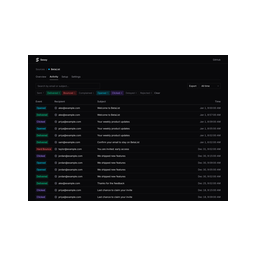
Choose Sessy — Amazon SES observability when:
- You need dedicated capabilities in the Monitoring domain.
- You prefer remote streaming HTTP/SSE transport architecture.
- Your security boundary fits: No auth required (Free / Open Source).
Feature & Specification Comparison
Tools & Capabilities Breakdown
Oak Longevity MCP Server Tools (0)
No explicit tool names declared in metadata yet. Check project README on main listing page.
Sessy — Amazon SES observability Tools (0)
No explicit tool names declared in metadata yet. Check project README on main listing page.
Ready-to-Paste Client Configurations
Paste either (or both) of these JSON server blocks into your client config file (e.g. claude_desktop_config.json or ~/.cursor/mcp.json).
Oak Longevity MCP Server Configuration
Sessy — Amazon SES observability Configuration
Frequently Asked Questions
More alternatives to Oak Longevity MCP ServerMore alternatives to Sessy — Amazon SES observabilityMonitoring category hub