End-to-end frontend engineering and design orchestrator across 16 foundational pillars.
Quick Install
Automated & IDE SetupCopy the AI prompt to install this server into Claude Code, Cursor, or another agent — or use 1-click editor setup below.
One-click editor setup isn’t available for this listing yet — we don’t have a confirmed install command, and we’d rather show nothing than point your editor at the wrong package or host. Follow the project’s own setup instructions, linked above.
Manual Client & Custom JSON ConfigExpand JSON ▾
No confirmed setup config for this listing yet. We only publish a config block when the install details come from the project itself — its README, its docs, or a verified owner. We haven’t found those for pixasso, and we’d rather show nothing than a guess you’d paste into your client. Follow the project’s own setup instructions for the current steps.
Documentation Overview
Pixasso
The Complete End-to-End Frontend Engineering & Design Orchestrator for AI Agents and Humans.







Live Documentation and Showcase: pixasso.erebuzzz.tech
Overview
Pixasso is a senior design-research, intent-discovery, and full-spectrum frontend engineering orchestrator inspired by Picasso's exploratory breadth. It rejects cookie-cutter AI interfaces, purple gradients, Lucide icon flooding, and superficial templates. Instead, Pixasso guides autonomous coding agents (and human engineers) through a rigorous pipeline:
Pixasso unifies Art Direction, UX Architecture, Typography Direction, Motion Systems, Full-Stack Frontend Implementation, and Automated Multi-Viewport Testing into a single cohesive skill and Model Context Protocol (MCP) server.
Visual Showcase & Themes
Pixasso supports multi-mode aesthetic execution tailored to your product identity:
| Theme | Aesthetic Mode | Key Visual Traits |
|---|---|---|
| Paper Light | Architectural Editorial | Warm ivory (#fbfaf7), hairlines, wide grotesque display headlines, Newsreader serif body |
| CRT Terminal | Retro Phosphor Computing | Phosphor emerald (#00ff66), scanlines, cathode vignette, bracket hotkeys [B], monospace telemetry |
| Pitch Black AMOLED | Deep Space Operations | True #000000 ground, cold metallic accents, sharp geometric borders, maximum contrast |
Interface Previews
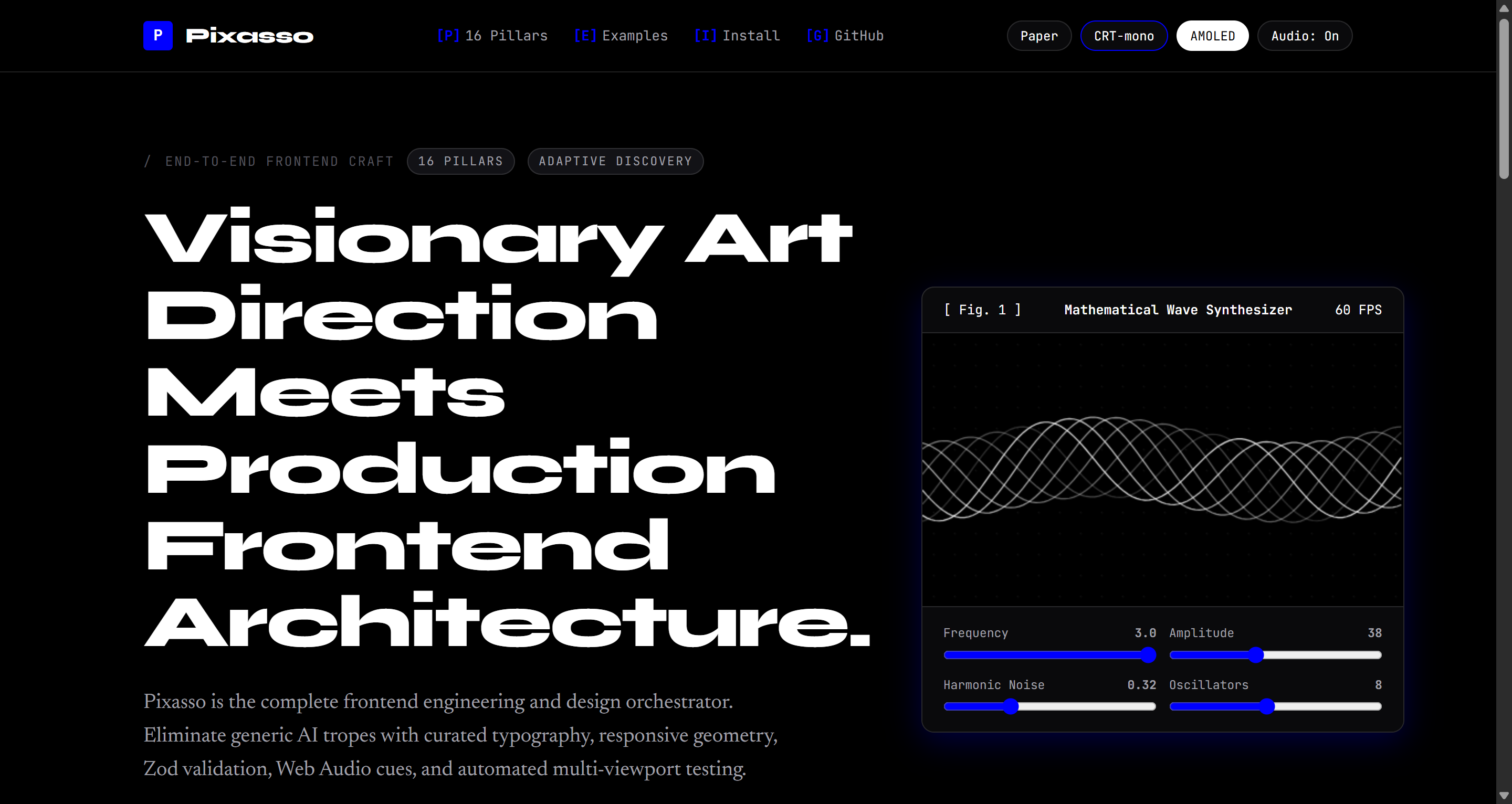 Figure 1: Architectural Paper Light Theme with wide display headlines and generative wave synthesizer.
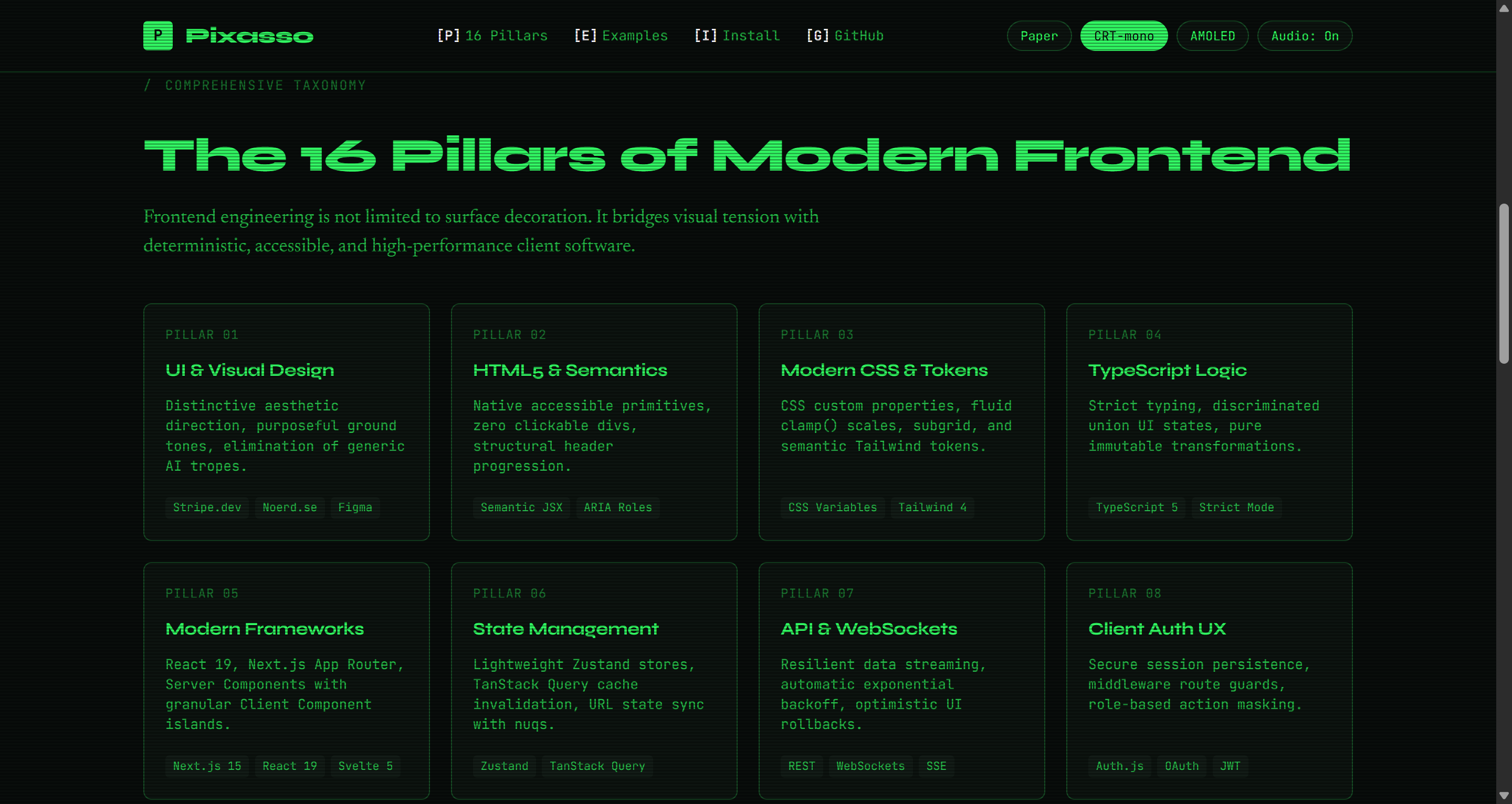 Figure 2: Retro Cathode Ray Terminal Theme with phosphor glow, scanline shader, and telemetry HUD.
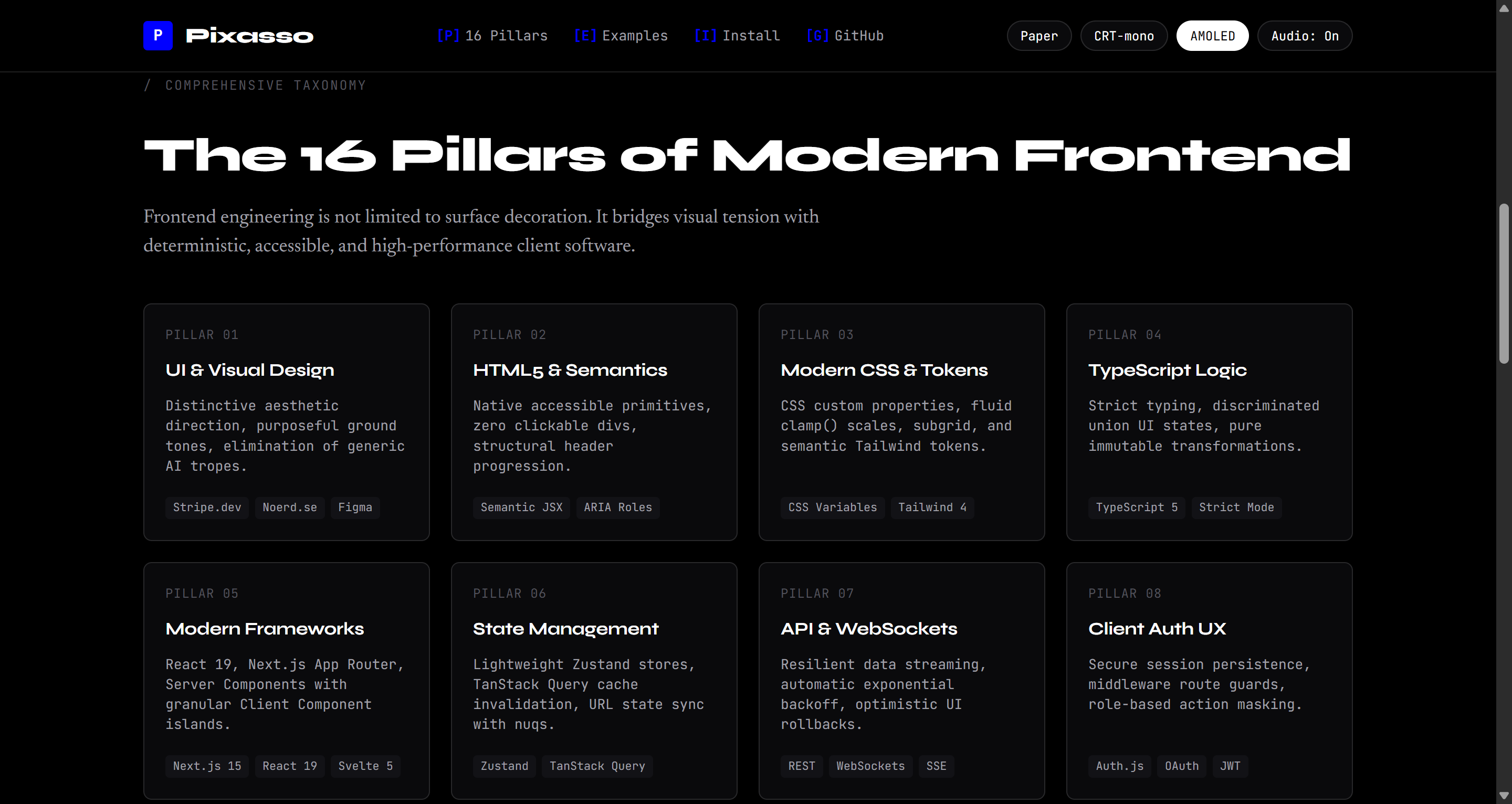 Figure 3: Pitch Black AMOLED Theme optimized for high-contrast, edge-density operational dashboards.
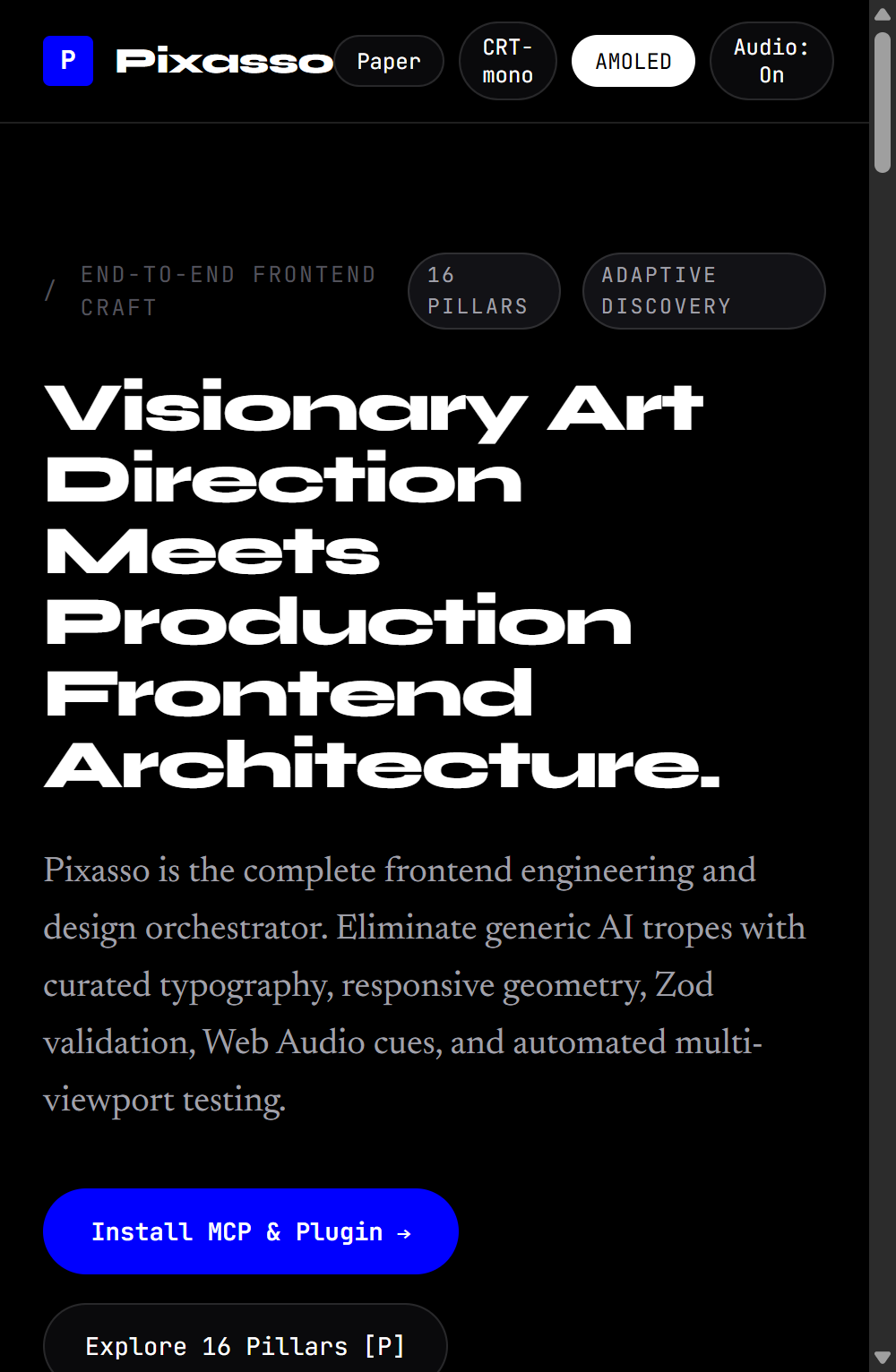 Figure 4: Mobile Viewport (390px) verified with zero horizontal DOM overflow and accessible touch targets.
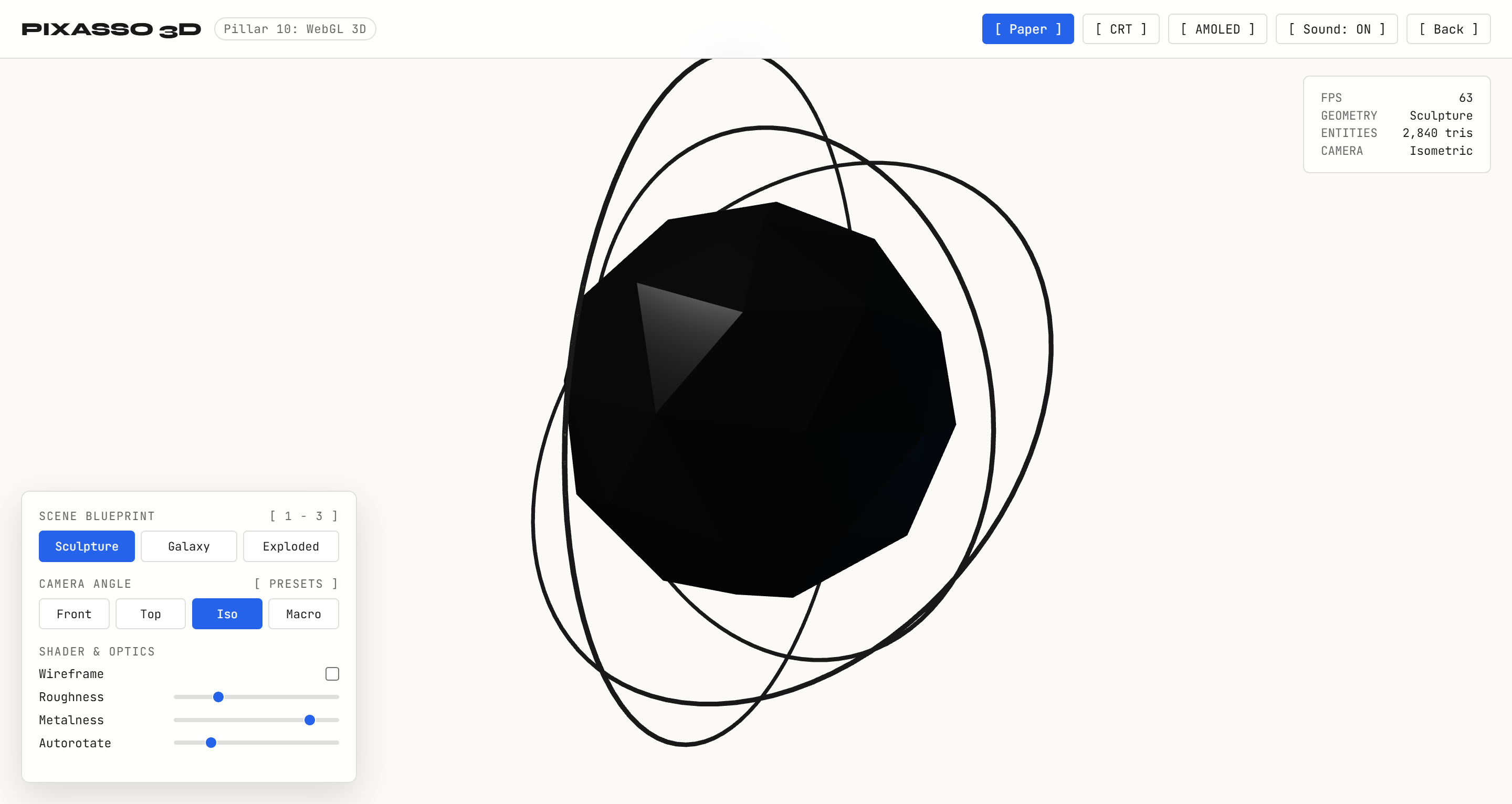 Figure 5: 3D Kinetic Sculpture with procedural faceted cage, PBR metallic core, and orbital gimbal rings.
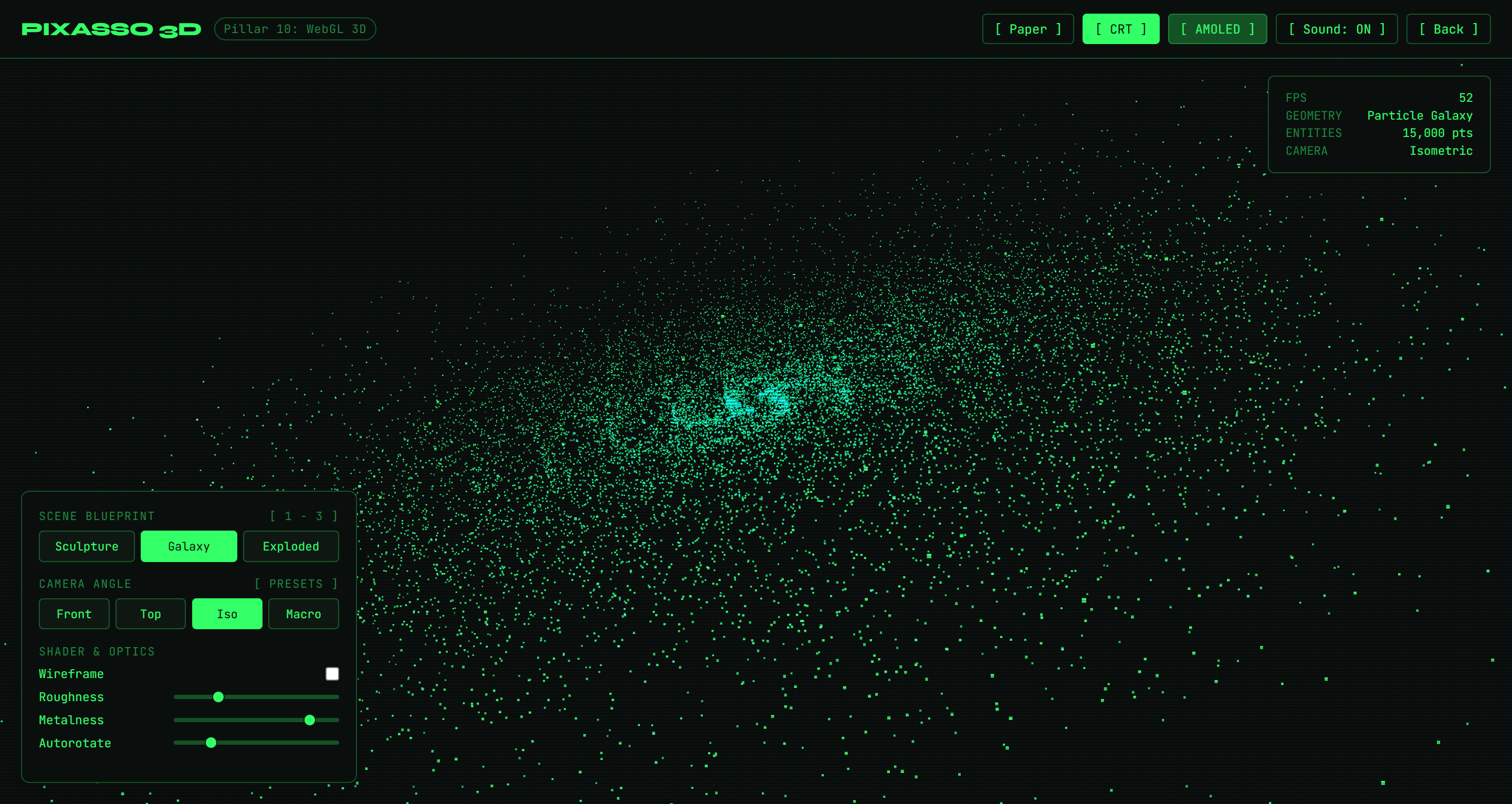 Figure 6: 15,000 GPU particle galaxy in CRT phosphor mode with mouse gravitational attraction vectors.
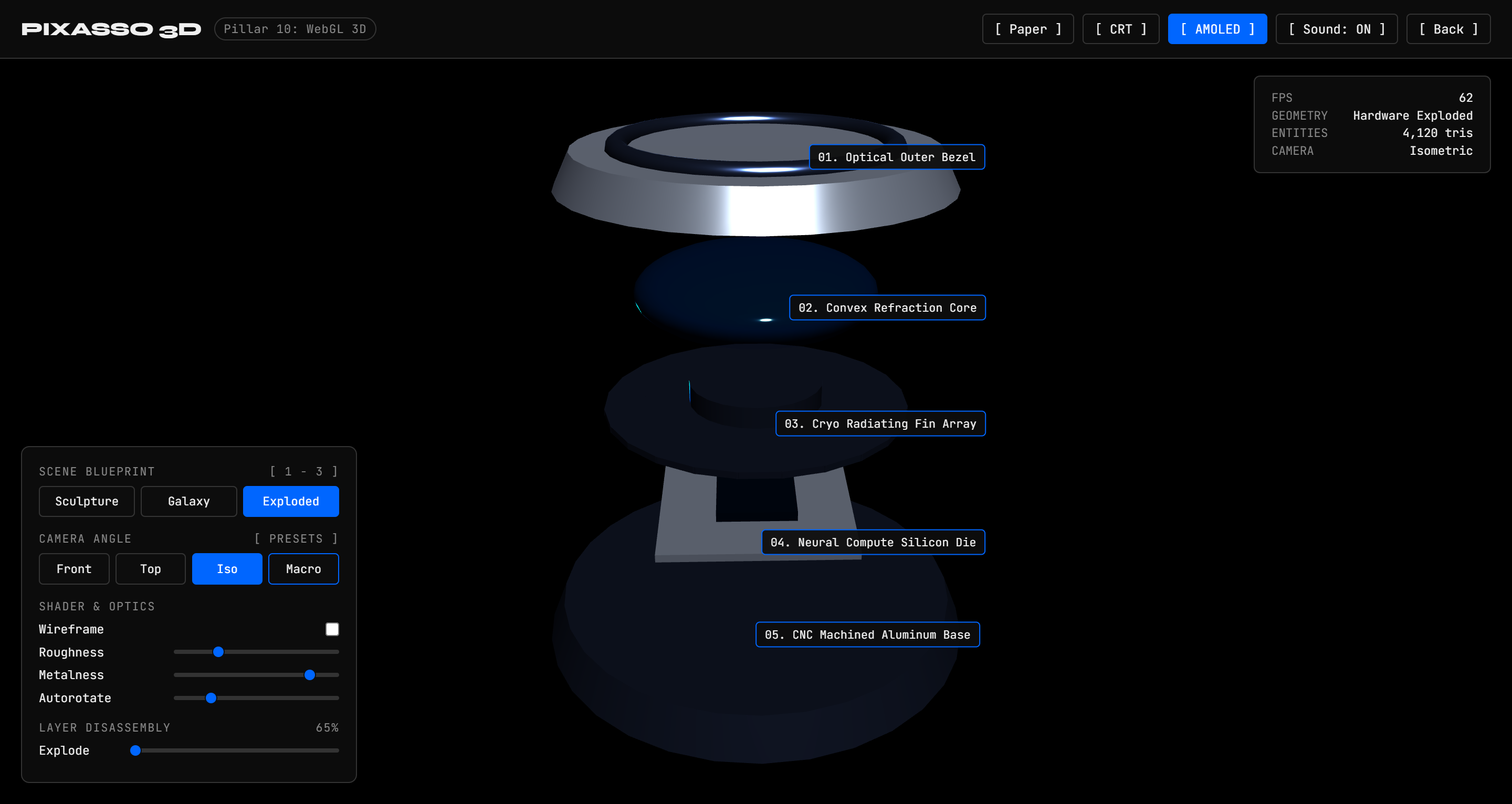 Figure 7: 5-Layer precision hardware assembly with interactive exploded-view disassembly slider and callouts.
The 16 Pillars of Frontend Architecture
Pixasso treats frontend engineering not as shallow visual styling, but as a complete 16-pillar software engineering discipline:
| Pillar | Discipline | Key Technical Responsibilities |
|---|---|---|
| 1. UI & Visual Design | Design Systems & Tokens | Semantic color scales, modular typography scales, surface depth, spacing systems |
| 2. Semantic HTML & JSX | Document Structure | Accessible landmarks (main, nav, article), ARIA roles, microdata, zero div soup |
| 3. Modern CSS Systems | Styling Architecture | CSS custom properties, container queries, Cascade Layers (@layer), subgrid, zero-runtime CSS |
| 4. TypeScript Excellence | Type Safety | Strict mode, discriminated unions for UI state, zero any, typed event handlers |
| 5. Framework Architecture | Component Lifecycle | React 19, Next.js App Router, Svelte 5 runes, Vue 3 Composition, Islands Architecture |
| 6. State Management | Data Flow & Cache | Server state (TanStack Query), client state (Zustand), URL search params as source of truth |
| 7. API & Realtime Data | Network Transport | Type-safe REST, GraphQL, WebSockets, Server-Sent Events, optimistic UI mutations |
| 8. Client Authentication UX | Session Security | Route protection guards, PKCE OAuth flows, token refresh queues, zero credential flicker |
| 9. Forms & Input Validation | Data Integrity | React Hook Form, Zod schema validation, inline error hints, accessible fieldsets |
| 10. Motion & Animation | Kinetic Direction | Motion (motion.dev), GSAP timelines, WebGL canvas shaders, prefers-reduced-motion |
| 11. Responsive Design | Viewport Versatility | Fluid typography (clamp()), container queries, adaptive layouts (390px to 2560px+) |
| 12. Accessibility (WCAG) | Inclusive Design | WCAG 2.2 AA/AAA compliance, screen reader tree, keyboard traps, focus rings, ARIA live |
| 13. Core Web Vitals | Performance Budget | LCP under 1.2s, INP under 100ms, CLS at 0, streaming SSR, image srcset optimization |
| 14. Frontend Testing | Verification Suite | Vitest component unit tests, Playwright end-to-end tests, visual regression checks |
| 15. Tooling & Bundling | Developer Experience | Vite, Turbopack, Biome/ESLint linting, automated dependency updates, Docker images |
| 16. Deployment & CDN | Production Release | Edge runtime, CDN cache headers (stale-while-revalidate), atomic rollbacks, CI/CD |
System Architecture
Operating Principle: Intent to Validation
Pixasso enforces a structured workflow that turns user intent into verified production code:
Compulsory Popup Discovery Gate
Pixasso strictly forbids assuming generic defaults or hiding questions inside plans. Before generating code or planning architectures, agents must call ask_question across key dimensions:
Related MCP Servers
Reviews
No reviews yet — be the first to share how this listing worked for you.
Frequently Asked Questions about Pixasso
AllMCPs Directory Badge
Showcase your server listing on GitHub or your project documentation. Embed this dynamic SVG badge to highlight official listing status and live engagement.
Badge Style:
Live Dynamic SVG Preview
Markdown (GitHub README)
[](https://allmcps.com/mcp/pixasso)HTML Embed
<a href="https://allmcps.com/mcp/pixasso"><img src="https://allmcps.com/api/badge/pixasso?style=directory" alt="Pixasso on AllMCPs" /></a>