openFlow — MCP server for Google Flow: Veo video and Nano Banana images
Generate video and images inside Claude Code, Cursor or any MCP client — through Google Flow, on your own account.





claude mcp add --transport http openflow https://openflowmcp.com/mcp
That is the install. No API key to buy, no SDK, no card. Ask your agent to "generate a paper boat on a puddle" and you get a 1376×768 image in about eighteen seconds.
Video runs on Veo, images on Nano Banana — the same models Google Flow uses in the browser, except your agent drives them. Google has no public API for either; this server is the missing wire.

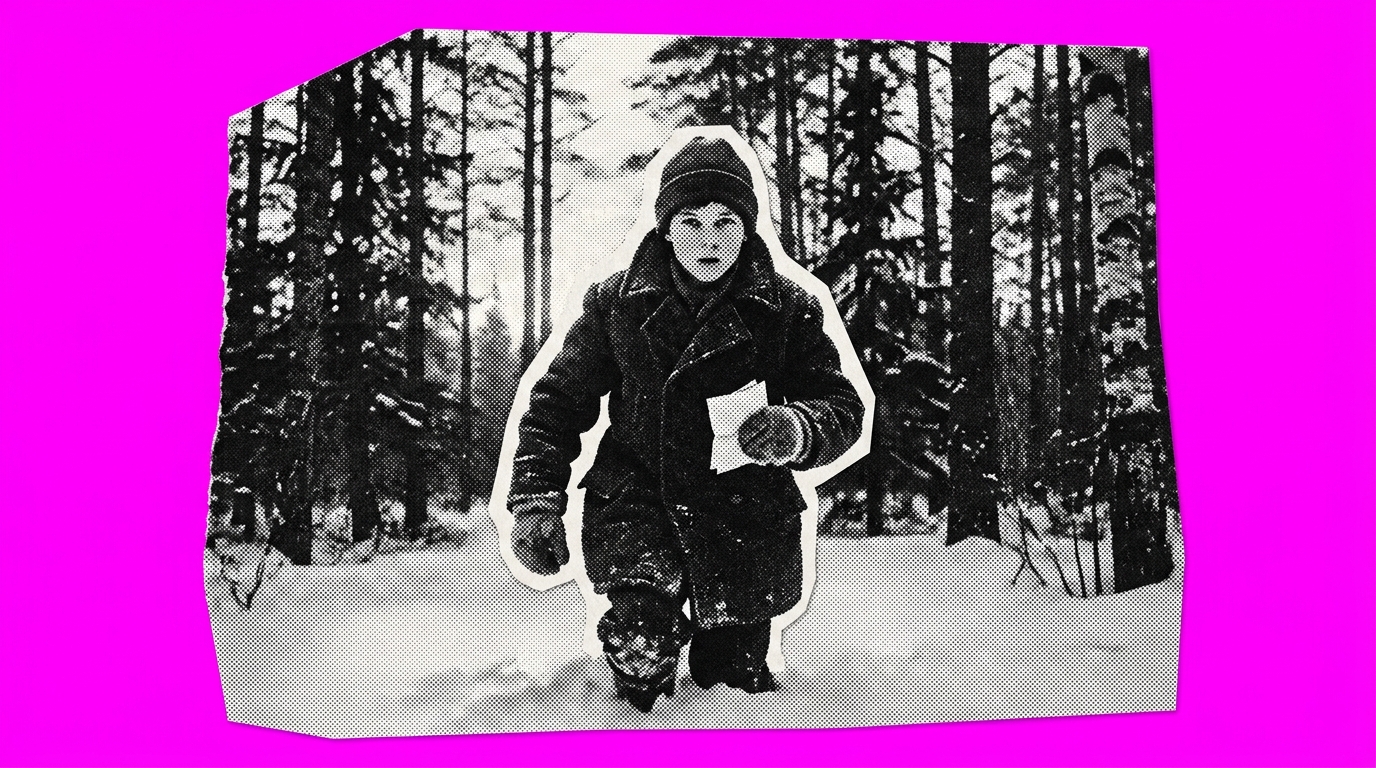
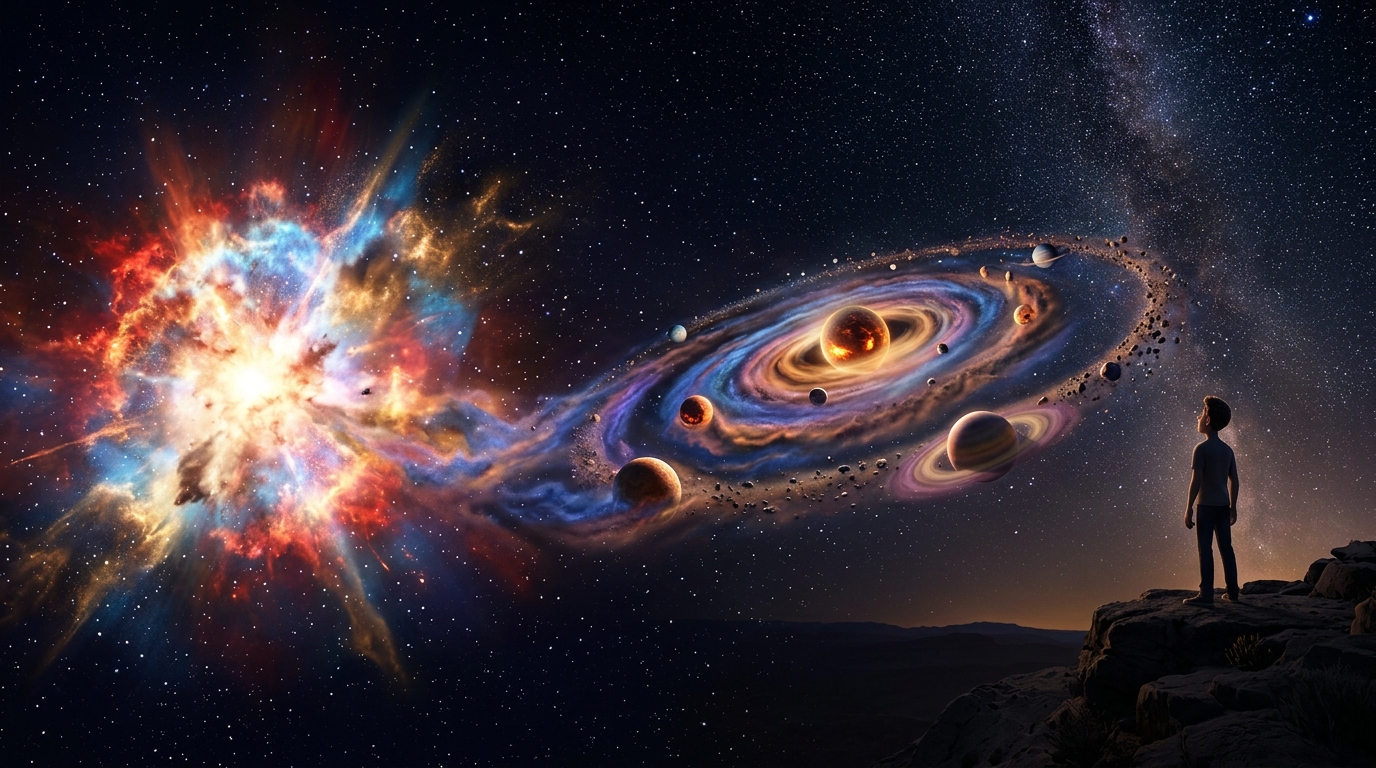
Made by agents through this server · 300+ more in the live gallery
Why you would want this
Google Flow makes some of the best images and video available today, and has no public API. This server is the missing piece: MCP on the side your agent speaks, Flow on the other.
- Images cost you nothing. Google's image models are free on a normal account. Not "free tier with 50 credits" — free.
- It runs on your account, not ours. Your credits, your quota, your files. We are the wire, not the meter.
- Your agent already knows how to use it. 31 tools with descriptions written for a model to read, not for a docs page. No prompt engineering to make it pick the right one.
- Failures tell you what to do. Every refusal names the cause, the next step and whether waiting helps. Nothing ever answers just "error".
Three steps
1 · Connect the server
claude mcp add --transport http openflow https://openflowmcp.com/mcp
For Cursor, Cline and everything else:
{
  "mcpServers": {
    "openflow": {
      "type": "http",
      "url": "https://openflowmcp.com/mcp",
      "headers": { "Authorization": "Bearer YOUR_KEY" }
    }
  }
}
2 · Let the agent get a key
Say "check openflow status". With no key it registers one itself — no form, no waiting, no approval queue.
3 · Connect your Google account
Say "connect my Google account to openflow". A small script runs on your machine, opens Google's own login page, and prints a one-time token. Your password is typed into Google's page, in your browser, and never passes through this service.
Then just ask:
draw a red fox in the snow, vertical
make a 4-second video of that fox running
upscale it and save both into ./media
📖 Full walkthrough for Claude Code →
What your agent gets
| Group | Tools |
|---|---|
| Images | generate_image, upscale_image, generate_scene — the last one builds a location from a 3D layout map, so several shots share one geometry instead of drifting |
| Video | generate_video, generate_video_from_image, generate_video_between_frames, generate_video_with_reference, extend_video, edit_video, upscale_video |
| Characters | create_character_from_photo, create_character_from_description, generate_with_face, generate_character_turnaround, generate_character_expression_sheet, list_characters, update_character |
| Music | music_generate — a full track with lyrics and style control; music_stems splits it back into vocals and instruments |
| Status | flow_status, flow_health, flow_dashboard, check_credits, check_job, list_models, fetch_media |
Five ready-made scenarios come with it (MCP prompts): UGC video with a character, character turnaround, expression sheet, generate-then-refine, one location from several camera angles.
Things people ask an agent for, and get in one sentence: "generate a video in Claude Code", "make a Veo clip from this image", "turn this photo into a character and shoot it from three angles", "upscale that video", "write a track with these lyrics".
Models. Images: Nano Banana 2 (default, ~30 s), Nano Banana Pro (best), Nano Banana 2 Lite.
Video: 4/6/8/10-second clips, image-to-video, reference-to-video, interpolation between two frames,
extension of an existing clip. list_models returns the current verified list with credit prices —
the server never invents a model id.
Keeping things consistent
Four behaviours worth knowing before you fight them. All measured against this server on 2026-08-23, not guessed.
Build reference cards, don't describe the whole scene. One call re-rolls everything at once:
fix the focus and the freckles change, fix the freckles and the bottle changes size. Instead
generate one approved frame per element — the person, the product, the room — and pass their
media_ids as image_inputs. Three references held together in a single 21-second call: same
face, same room, same object, only the arrangement changed.
Render label text on its own. Text inside a busy scene comes back mangled or mirrored. The same words on a plain grey background, generated as a standalone product shot, come out clean — and arrive correct when that shot is used as a reference. Note that a label stops being readable once the object is small in frame, so brand names need their own close-up.
For video, i2v holds detail and r2v holds identity. generate_video_with_reference treats
your frame as an example and rebuilds the scene, so faces survive but small things drift — a hair
strand lying across a cheek was present at two seconds and gone by six. generate_video_from_image
continues that exact frame instead, and the same strand survived start, middle and end. Use r2v
when you have no frame yet, i2v when you do.
generate_scene fixes geometry, not materials. The layout map places objects at true positions
and depths reliably. Left alone it will still reinvent the architecture between shots — one camera
gave an ordinary window, another gave floor-to-ceiling glazing and a mountain view. Pass the room's
own reference frame in image_inputs alongside the layout and the materials hold.
What it costs
| Images | free. A brand-new key gets 25 before linking a GitHub account; linking is one click, free, and removes the limit for good |
| Video | your own Google credits — 7 for 4 seconds, 10 for 6, 12 for 8 — plus a subscription here, which is what keeps the service running |
| Subscription | $6 for a month, $15 for three, $24 for six, $36 for a year — that last one works out to $3/month. It unlocks video and lets you keep your work out of the public gallery |
| Everything else | nothing. No per-image fee, no markup on credits, no seat pricing |
Pay by card, or send USDT directly — TRON (TRC20), BNB Smart Chain (BEP20), TON or Solana. The crypto path takes no processor and no fee: you transfer to an address, the subscription turns on by itself once the network confirms.
Honest limits
Written down because finding them yourself costs an evening:
- 8 simultaneous generations per Google account. Measured against Google's own ceiling, not guessed. Going over returns a wait, not an error — the job goes back in the queue and retries by itself.
- Nano Banana Pro has its own daily quota per account, separate from credits.
- Files stay on the server until the disk runs low, and even then only files you already downloaded get removed. Anything you never fetched is never deleted. Every result comes back with a direct download link — save it into your project and it is yours for good.
- One Google account is one pool of credits. Attach several and the work spreads across them, and your own rate limits rise with the count.
Privacy
- Your Google password never reaches this service. The login happens in your browser, on your machine; only a token is passed on.
- Tokens are stored encrypted (AES-256-GCM), with the encryption key kept apart from the database.
- Your generations are visible only to your key. The public gallery shows only work whose owner chose to leave it public.
- The whole story, in plain words: openflowmcp.com/trust
Questions people actually ask
Do I need a paid Google Flow subscription? No. A normal Google account generates images for free. Video spends that account's credits, which come with Google AI plans.
Is my account at risk? The server uses the same tokens Google's own apps use, and nothing else. The concurrency cap exists precisely so your account is never hammered.
Can my Google account get disconnected? The link can drop — if you change your Google password, revoke sessions, or remove the device in Google security settings. Nothing is lost when it happens: reconnecting takes a minute, and the service tells you about it directly instead of leaving you to guess from a failed generation.
How do I pay if cards do not work in my country? Send USDT on TRON, BSC, TON or Solana. The cabinet shows an address and an exact amount; the subscription turns on by itself once the network confirms — usually within a minute.
Can I attach several accounts? Yes, and you should — work spreads across them and your rate limits rise with the count.
What if something breaks? Every refusal says what happened and what to do next. If one ever leaves you guessing, that is a bug worth reporting: t.me/mxmtkchk.
Is the server open source? No. This repository is the documentation; the service is closed-source and hosted.
Start
claude mcp add --transport http openflow https://openflowmcp.com/mcp
| 🌐 Service | openflowmcp.com |
| 🔌 MCP endpoint | https://openflowmcp.com/mcp |
| 👤 Your cabinet | openflowmcp.com/account |
| 🔒 What is stored | openflowmcp.com/trust |
| 📄 Terms | openflowmcp.com/terms |
| 💬 Support | t.me/mxmtkchk — one channel, and it answers |
Not affiliated with Google. "Google Flow" and "Veo" are trademarks of Google LLC.