Melaya README
The full upstream README, mirrored here for reference. Install config, tool schemas, adoption signals, and an original overview live on the Melaya listing page.

Melaya MCP Server
Let an AI assistant use your Android phone, your browser, and the rest of your Melaya account.







Also listed on mcp.so · mcpserver.dev · mcpmarket · cursor.directory · Glama
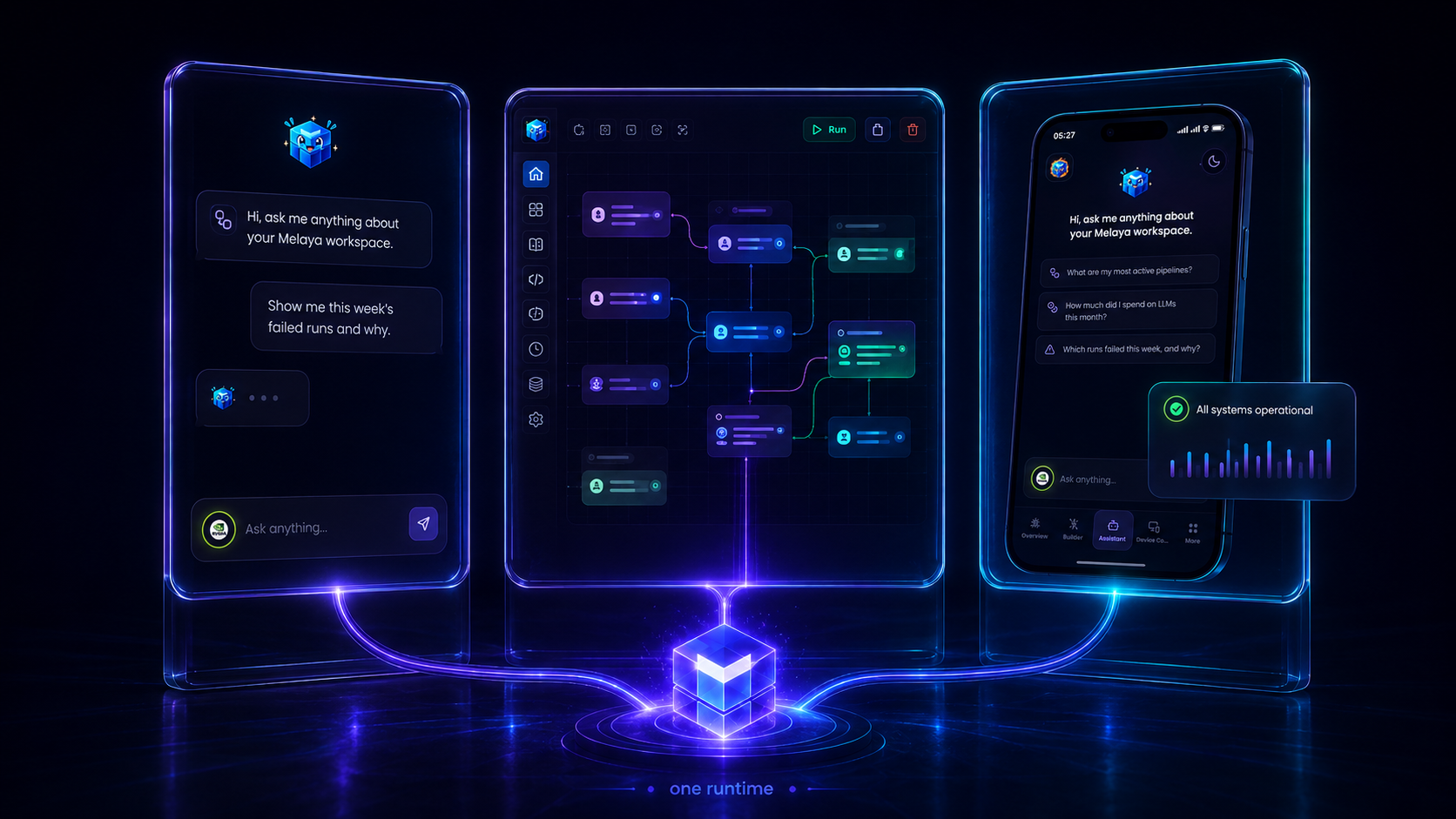
Melaya pairs a phone to your account and gives an agent the same view of it a person has: it reads the screen through Android's accessibility tree, then taps, types, swipes, and moves between apps. No per-app integration, no vendor API. If you can use the app, so can the agent.
This is a remote Model Context Protocol server. MCP is a vendor-neutral standard, so one endpoint works everywhere:
Nothing to install, no SDK required.
Connect
 Claude Code | |
 Codex CLI |
Direct HTTP needs |
 Cursor |
|
 Claude |
claude.ai, Desktop and mobile: Settings → Connectors → Add custom connector, paste |
 ChatGPT |
Settings → Connectors → Developer mode, paste the same endpoint |
 Le Chat |
Connectors → Add custom MCP connector |
| VS Code | |
| Everything else |
Windsurf, Zed, Cline, Goose, Lovable, Gemini CLI, Qwen Code and any other MCP client take the same block, in whichever file that client uses for MCP servers: |
Authentication is OAuth 2.1 with PKCE. You choose which permissions to grant on a Melaya consent page; the assistant receives a scoped token. Your password is never shared.
Then just ask:
Connect my phone and go through my unread Instagram DMs.
What it can do
Operate your phone
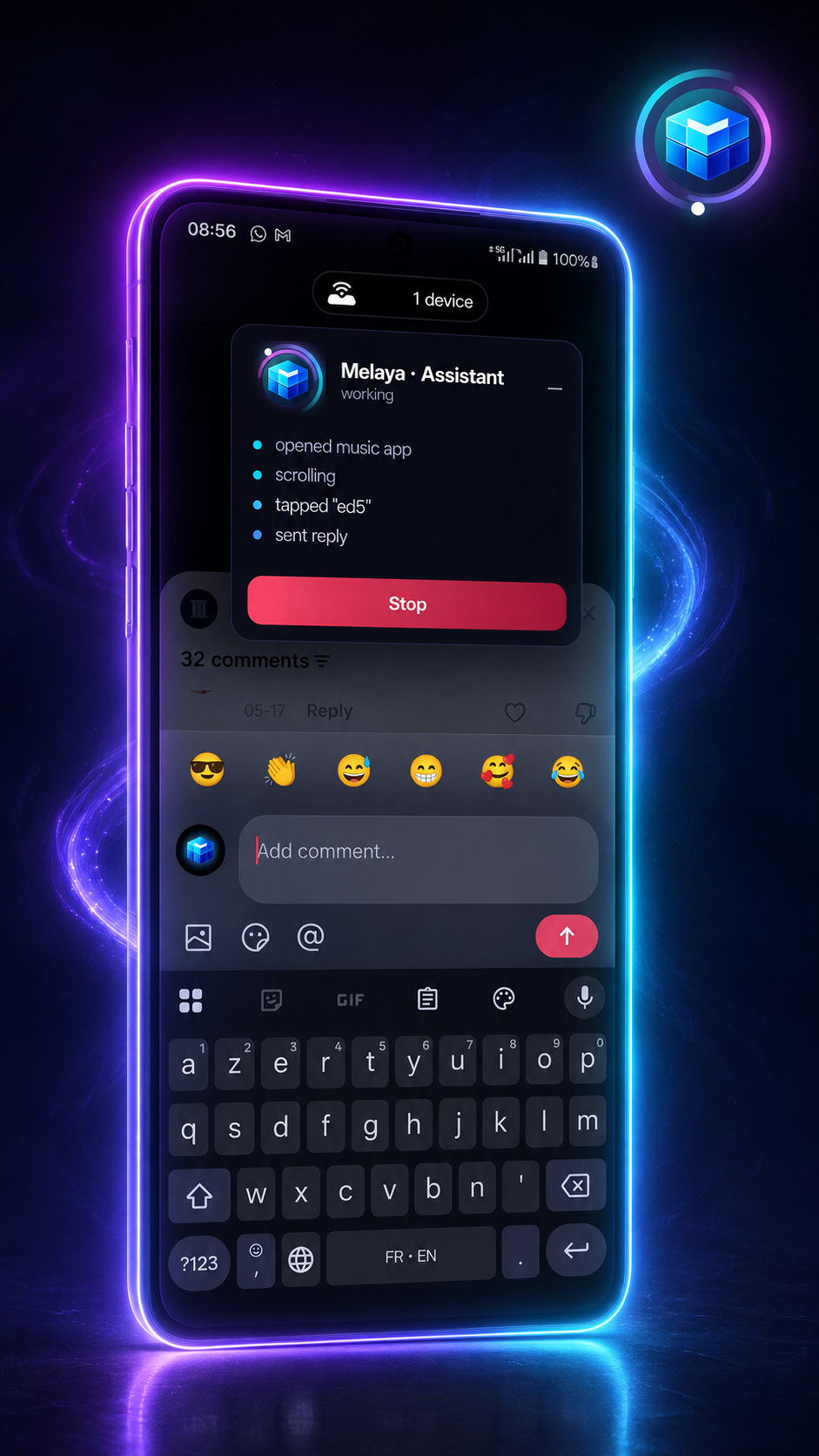
Read the screen, open apps, tap, type, scroll, swipe, screenshot. You watch it work, and one control stops everything.
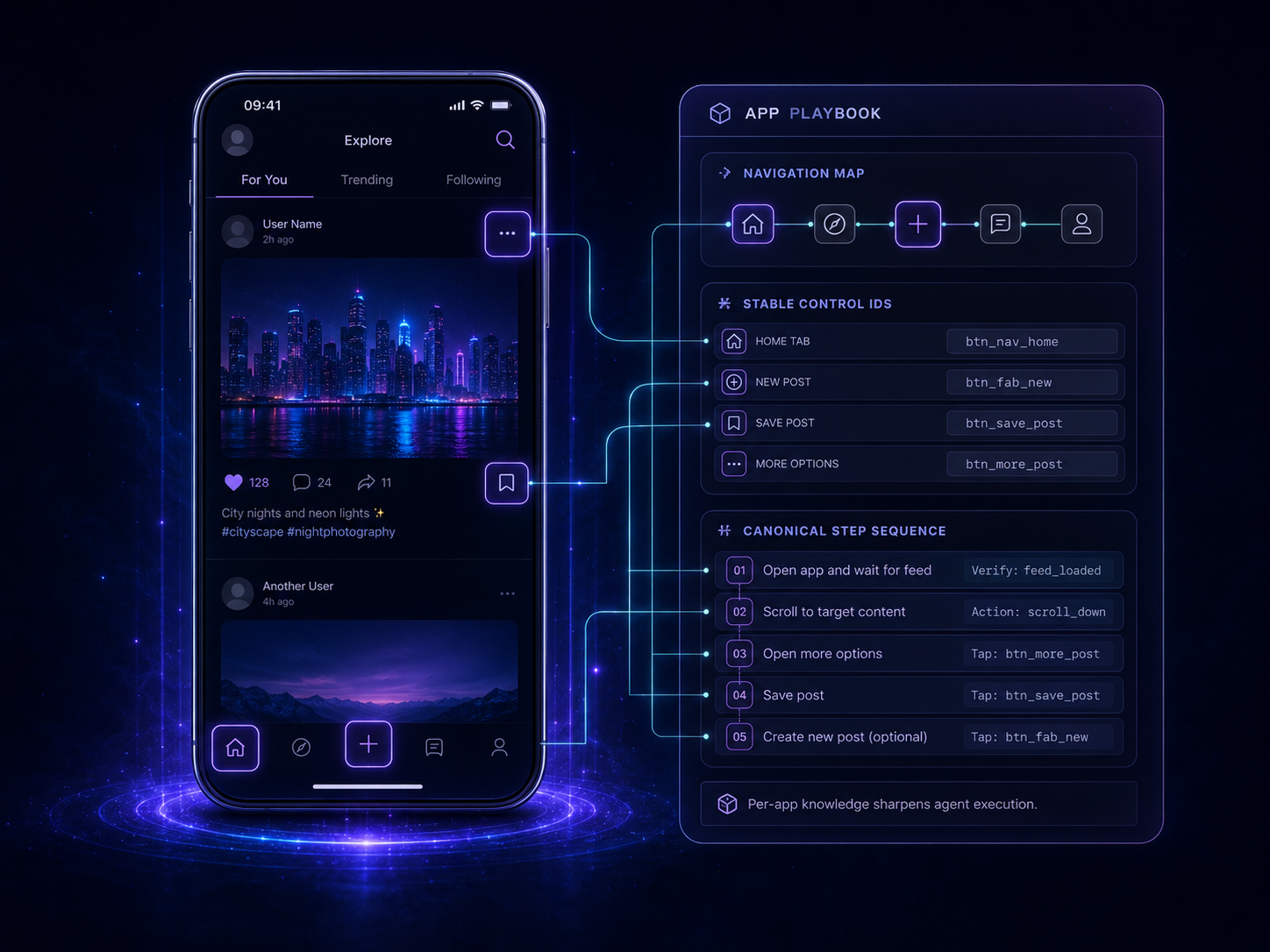
Melaya ships navigation playbooks for common apps, so the agent arrives knowing where things are instead of exploring blindly.
Operate a browser
The same read-act-verify loop on a desktop site, through the Melaya extension on Chrome or Edge. You attach the tab; the model never picks one.
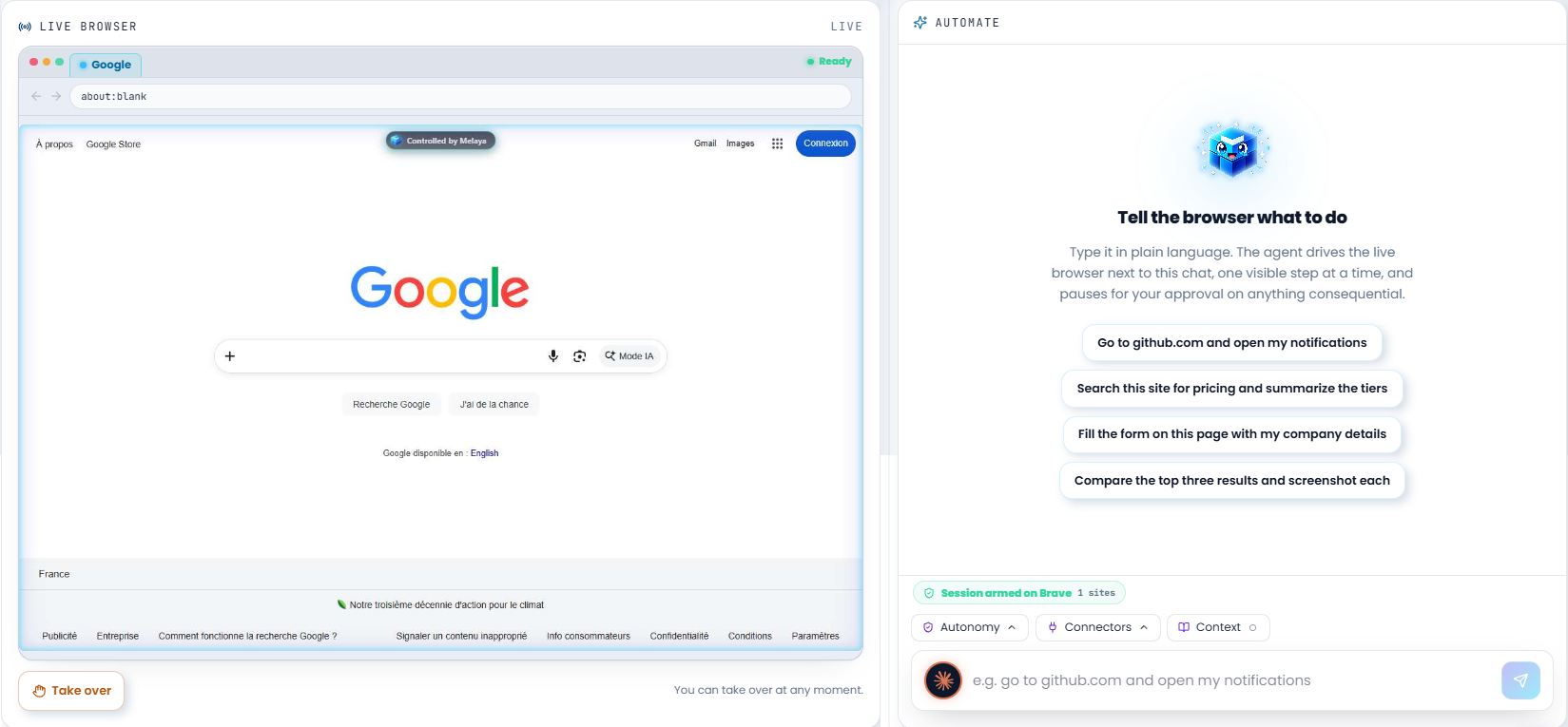
It can also debug the page it is on: network activity, console output, and a performance diagnosis that ranks causes with the file and the number behind each, rather than handing over a raw panel. Credential values are redacted at capture, before anything reaches the model.
Build and run agents
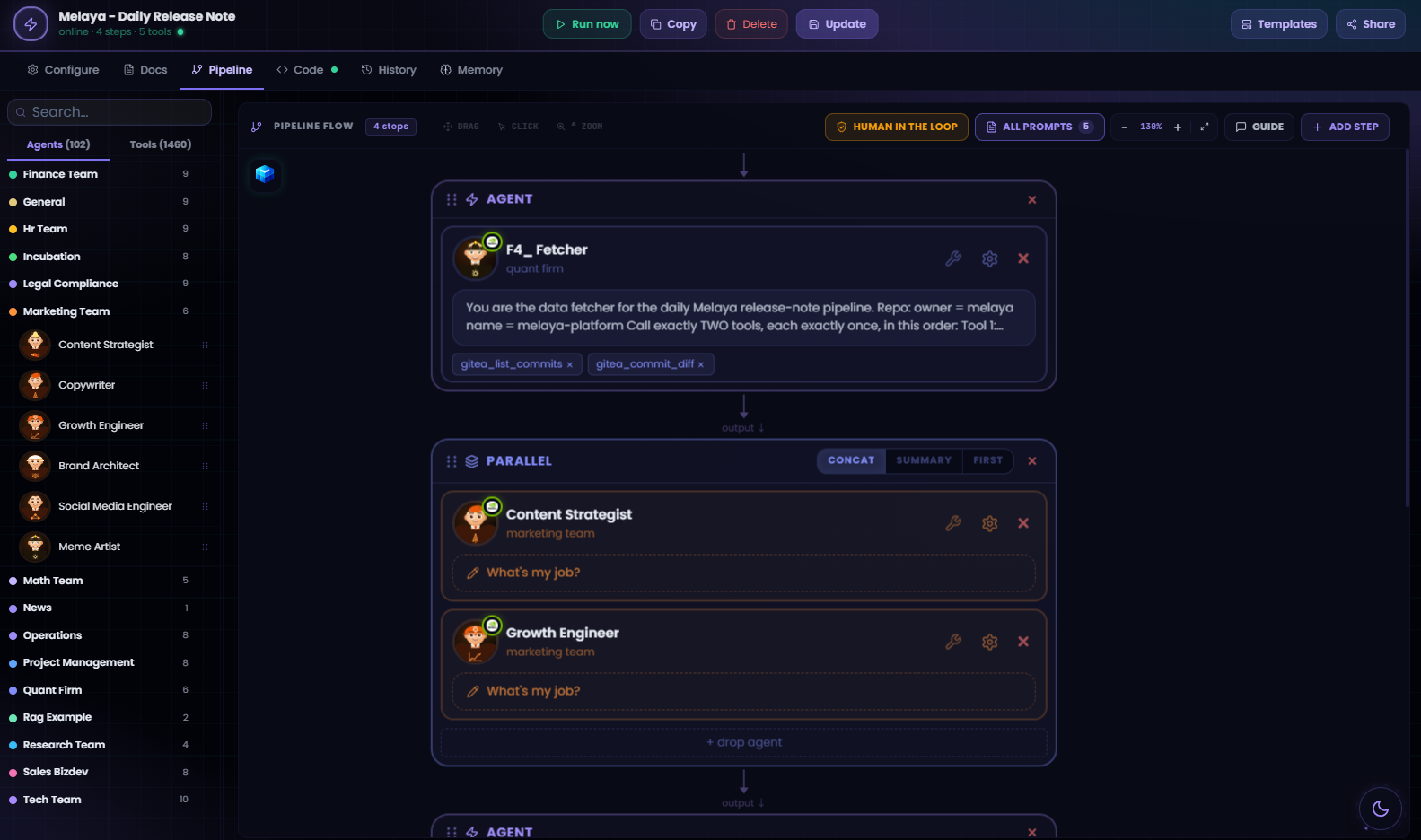
List the template library and instantiate a validated template, or author a pipeline from scratch, validate it before saving, schedule it, and watch it run. Hand a long or recurring job to an autonomous agent on your own machine, on your own model subscription, that carries on after the conversation ends.
Read your connected services
Mail, documents, your ERP. Read-only, structurally: the write path is blocked in two independent places, so a write stays blocked even if Melaya's own tool catalog is out of date.
Find out what happened
Runs, transcripts, tool traces, failure diagnosis, cost, and what your agents have learned across runs.
What it cannot do
Enforced on the device itself, not on the server, so no prompt and no agent instruction can move them.
It only touches what you allow-list
Apps on the phone, origins in the browser. The agent can hand access back, narrowing the list or clearing it, but only you can grant it.
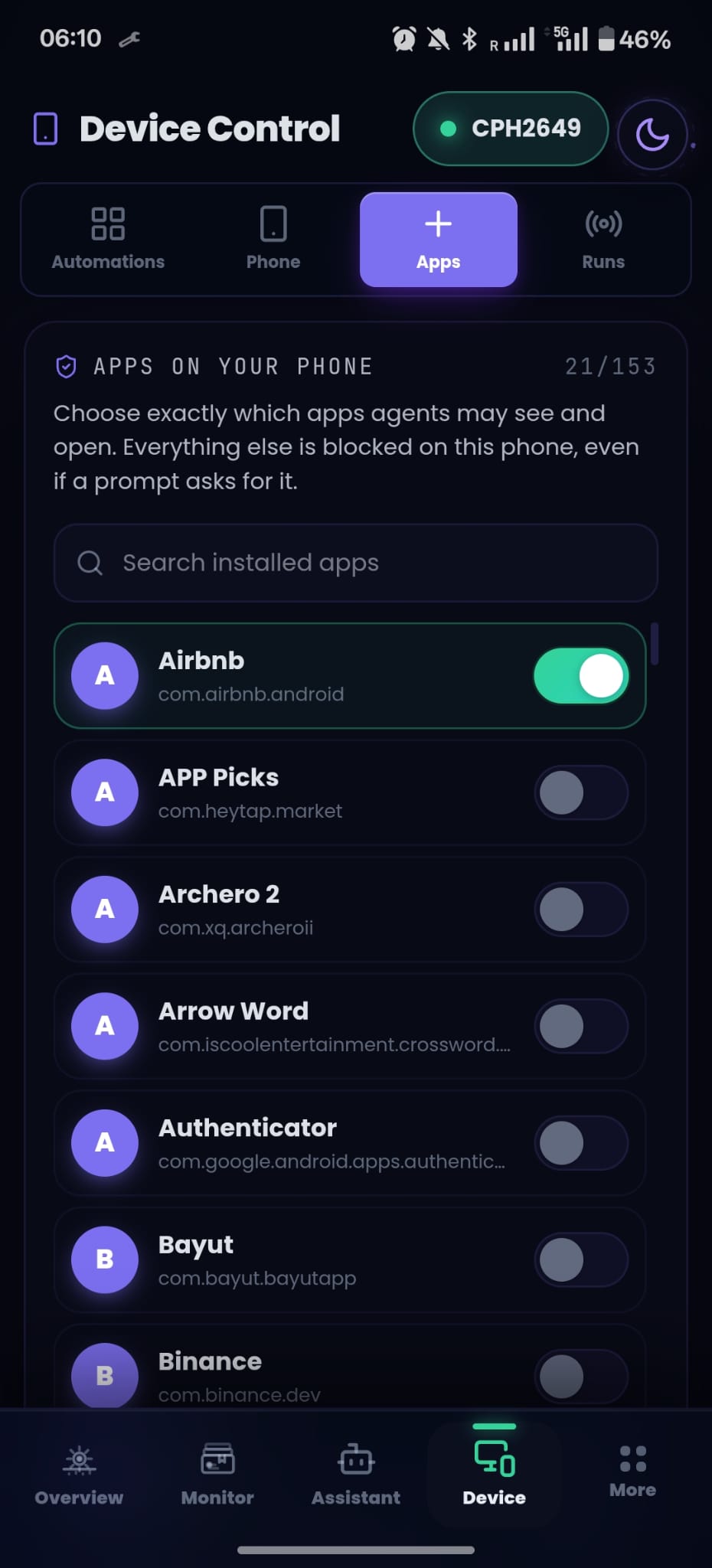
That asymmetry is deliberate. The agent reads text off your screen, and text can be written by anyone: a message, a comment, a web page. A boundary it could widen in response to what it reads would not be a boundary.
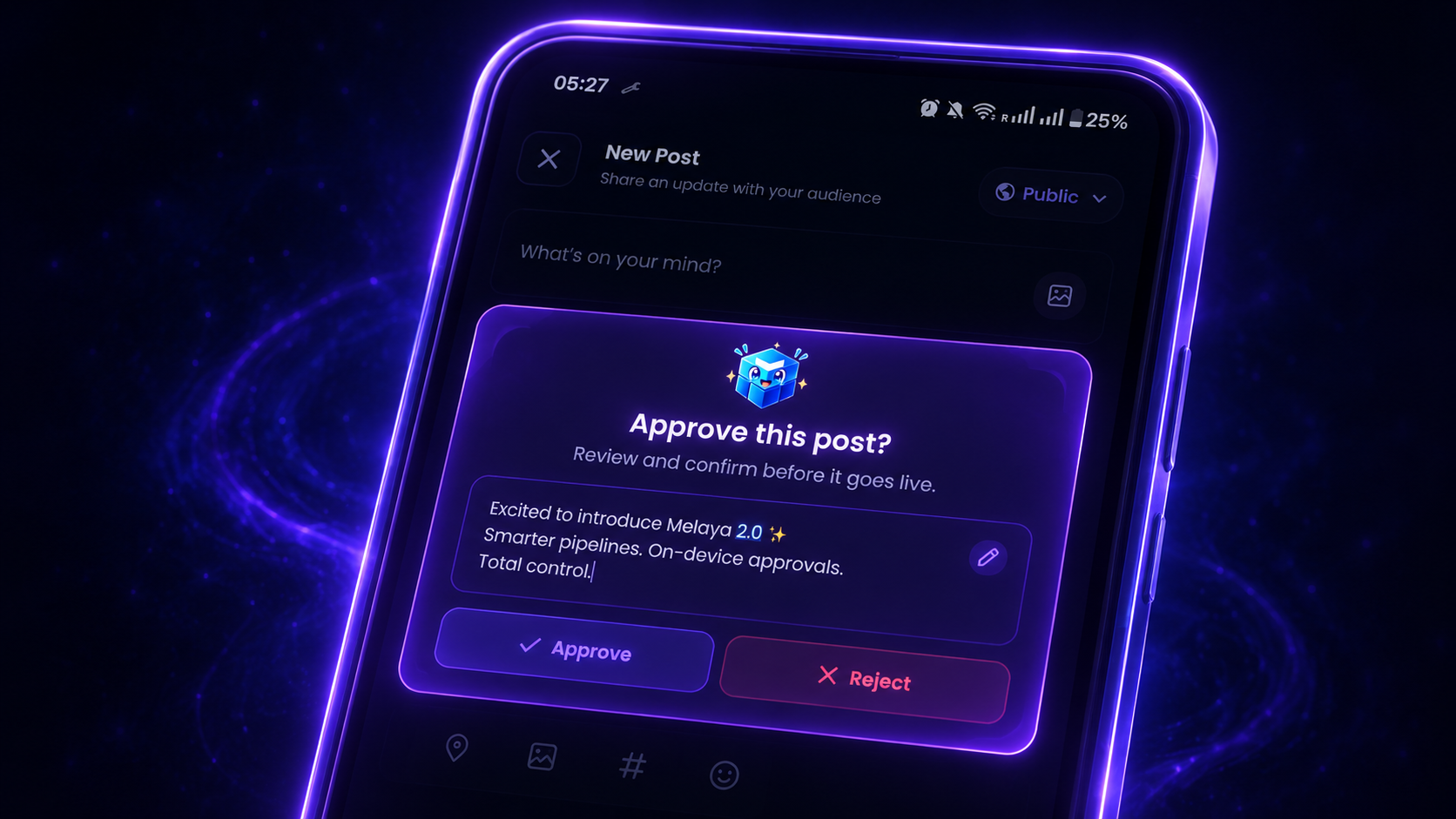
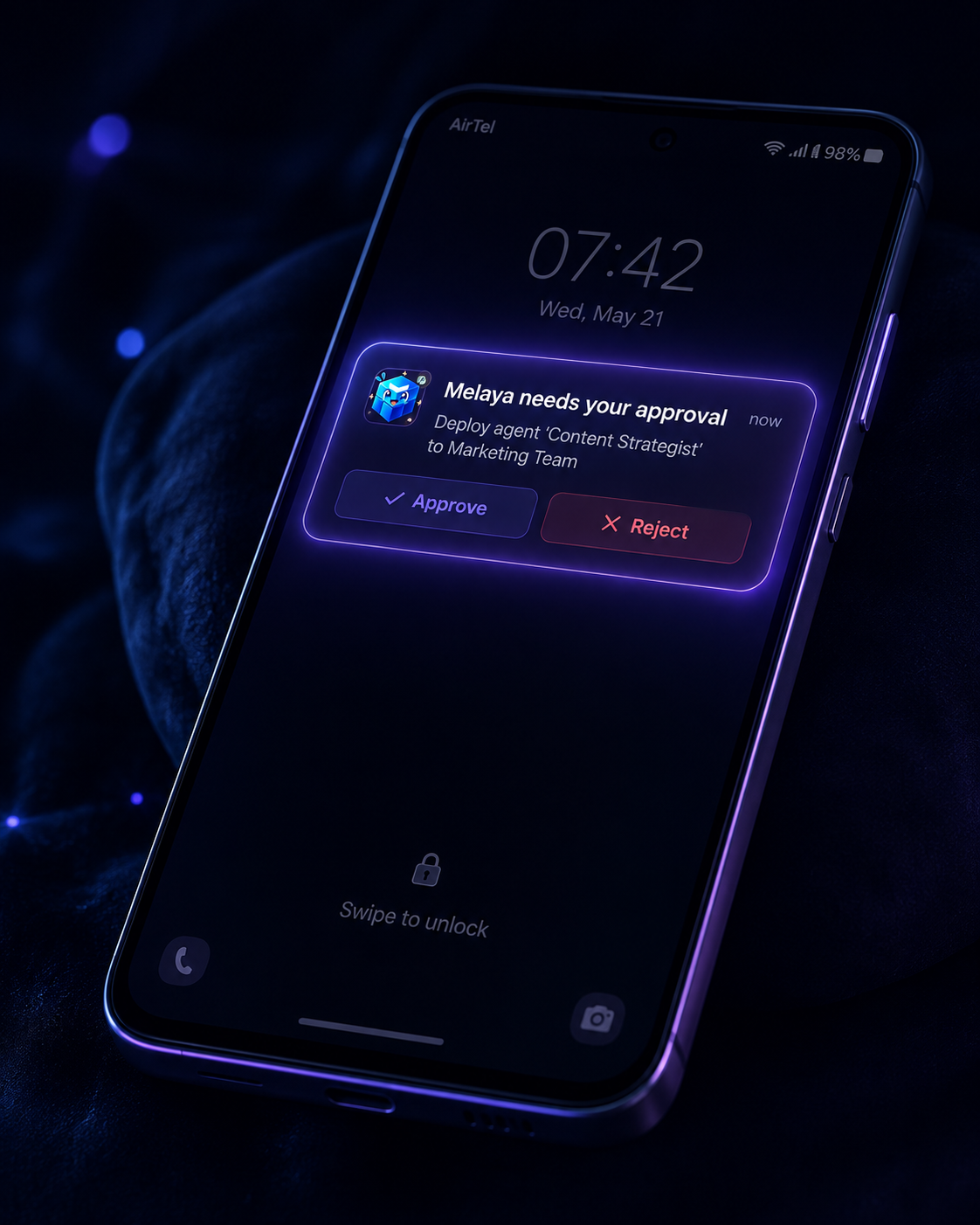
Publishing and paying always ask you
You see the exact text before it goes out, and approvals reach you even when the phone is locked.
There is a STOP control
On the phone overlay and in the Melaya app. It halts everything immediately, across every agent and every connected assistant.
Approvals are listed here, never decided here
The gate exists to put a human between an agent and a consequential action, and the caller here is a model reading untrusted content. You approve in the Melaya app or on your phone.
Password fields are excluded from screen reads.
Also deliberately absent, and enforced by tests rather than by convention: trading (it writes against live exchange keys), administration (no honest consent sentence exists for it), and credential values of any kind.
Permissions
Eight scopes, one per domain. You grant them individually.
| Scope | What it allows |
|---|---|
melaya:read | Your workspace: pipelines, runs, traces, evaluations, pending approvals |
melaya:platform | Your account and plan: tier, usage against limits, subscription |
melaya:runner | Set up and check the Melaya runner on your computer |
melaya:phone | Operate your paired Android phone, inside apps you allow-listed |
melaya:browser | Operate a connected browser, on sites you allowed |
melaya:pipelines | Create, edit, schedule, run and cancel agent pipelines |
melaya:connectors | Read data from connected services. Read only |
melaya:team | Read project membership, and invite people you name |
The tool list your assistant receives is filtered to what you granted, so connecting for phone control alone shows 23 tools rather than all 80. If a capability seems missing, you declined it; reconnect and approve it.
[!NOTE] If you also use the Melaya SDK, "connectors" means something different there. In the SDK it is project credential storage. Here,
melaya:connectorsis reading data from services you already connected. This surface cannot store, read or delete a credential.
Requirements
- A Melaya account — free at melaya.org
- An Android phone (Android 8 or newer) for phone control. There is no iOS build.
- The Melaya extension on Chrome or Edge for browser control
- For autonomous agents: Node 18+, Python 3.11+, and a signed-in CLI on the machine hosting the runner
Privacy
Screen and page content read during a run goes to Melaya and to whichever model you selected, for the duration of that run. The privacy policy covers collection, retention and deletion.
One credential does cross the boundary, and it is worth naming: if you set up the optional local runner, the command you are given contains a runner token. It is valid for 7 days, revocable in settings or with melaya_runner_revoke, and unavoidable because the runner starts from a command line. On a hosted assistant that command appears in your conversation history. Nothing else does; provider and connector credentials are resolved server-side and never reach the assistant.
Disconnecting in Melaya settings immediately revokes the connection's ability to renew itself. A token it already holds keeps working until it expires, at most one hour.
What's in this repo
| Path | Purpose |
|---|---|
server.json | Manifest for the official MCP Registry |
.mcp.json | Remote server declaration |
.claude-plugin/, skills/, commands/ | Claude Code plugin packaging — one distribution of the same server |
The server itself runs as part of the Melaya platform; this repo is its public manifest, packaging and documentation.
The rest of the platform
This server is one surface onto Melaya. Its tool domains map to the products behind them, so if a scope is useful the product page explains what it reaches:
| Product | What it is | melaya: scope |
|---|---|---|
| Melaya Agents | Visual builder for agent pipelines, 6,912 tools and 103 subagents | pipelines |
| Melaya Assistant | The governed operating layer over those agents | platform |
| Device Control | Android phone control through the accessibility tree | phone |
| Melaya Browser Control | Origin-scoped control of a paired browser | browser |
| Melaya Marketing | Ads, search consoles, analytics, DNS and site in one cockpit, with approval before anything touches real money or your live site | connectors |
| Melaya MCP Server | This server | all of the above |
The browser extension is what Browser Control talks to, and ships for Chrome, Edge, Brave, Opera and Firefox.
Pricing starts at a $0 Sandbox tier for evaluating the platform during open beta: see plans.
Links
- Full documentation
- Melaya SDKs — nine languages
- Product overview · All products
- Privacy Policy · Terms
- Support

License
Apache-2.0, matching the Melaya SDKs.
It covers what is in this repository — the registry manifest, the plugin packaging, the skills and this documentation. It is not a licence to the Melaya service itself: using the hosted server at api.melaya.org needs a Melaya account and is governed by the Terms.