Local-first, source-backed continuity for AI agents via stdio MCP.
Quick Install
Automated & IDE SetupCopy the AI prompt to install this server into Claude Code, Cursor, or another agent — or use 1-click editor setup below.
Not yet automatically verified
We haven't yet run this listing's install command through our automated sandbox check. This isn't a red flag — we're steadily working through the catalog.
Manual Client & Custom JSON ConfigExpand JSON ▾
Client Config & Setup
Choose your client or environment
Target File:
💡 Paste the JSON block into your client's configuration file under mcpServers, then restart the application.
Documentation Overview
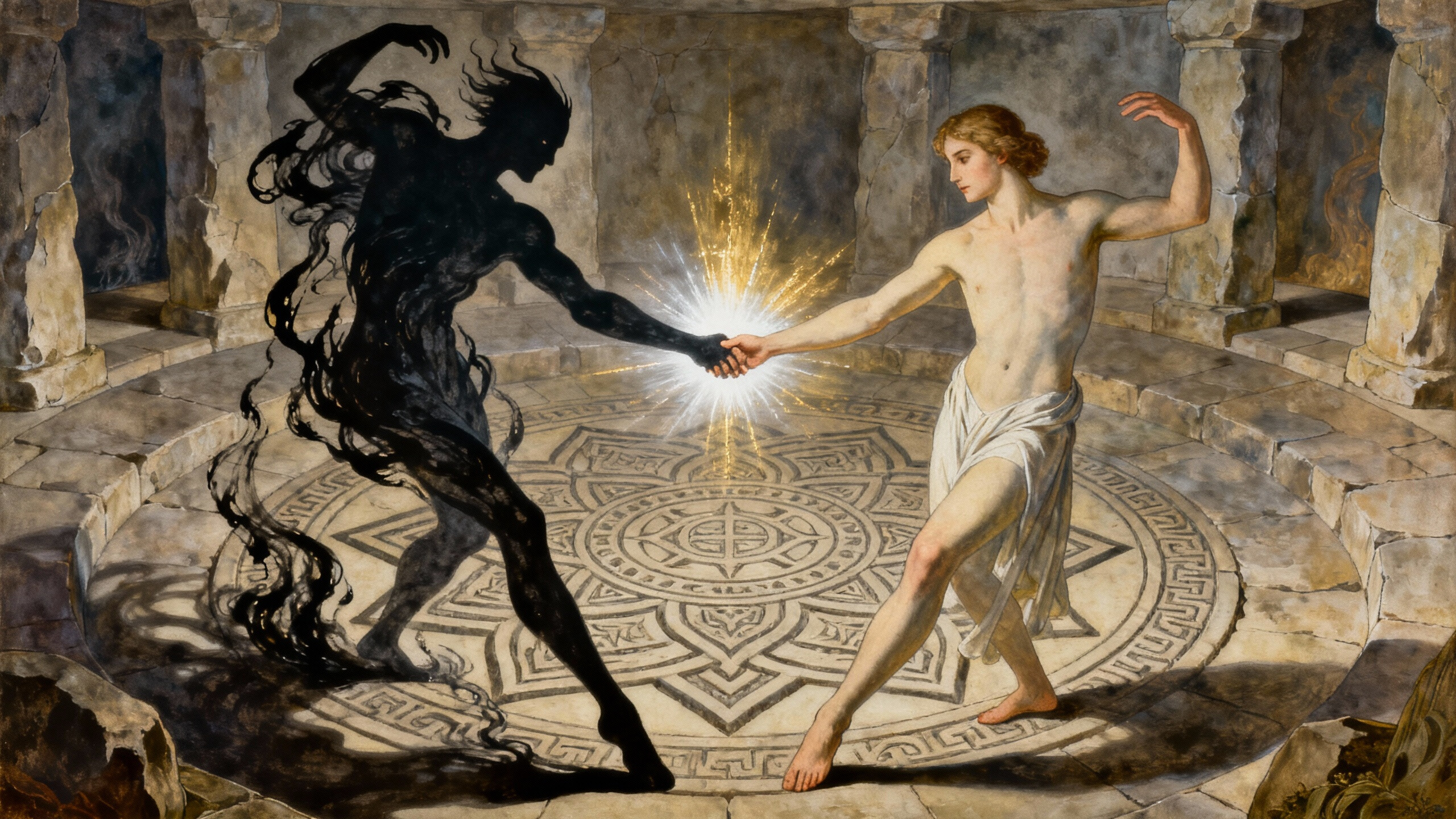
AIppocampus
A source-backed continuity layer for long-running relationships with AI agents.
AIppocampus began with a human problem: every new agent session can be bright, capable, and strangely newborn. Work may survive in commits and notes while the path behind the work falls back into silence.
This project gives future agents a way to find that path again. It keeps source reachable, preserves the conditions of return, and lets a new conversation begin with honest continuity instead of pretending there was never a break.
Source is the ground. Summaries are weather.
First Use Path
The first useful path is deliberately narrow:
- Install or probe the CLI.
- Run one fuzzy recall for an old decision, handoff, preference, or thread cue.
- Deepen that route before making claims or quoting source.
- Use exact search only when the user remembers wording.
Install or probe:
First recall, for a fuzzy continuity cue:
First deepen/source-open, using the selector from that recall:
Daily rule: if the user remembers exact wording, search source; if they remember a situation, decision, preference, old correction, or handoff, use recall first and deepen before claims.
In ordinary use, AIppocampus should feel less like a control panel than a remembered doorway. It helps an agent ask: where did this come from, what did we actually say, and which source should be opened again?
The machinery behind that moment can be extensive, but it should stay backstage. A long relationship with an AI agent should not have to start from bare ground every time a thread, device, model, or project changes.
The origin essay is 未干的地图. English readers can start with The Unfinished Map. For role-based setup, provider choices, and maintainer paths, use Start Here. For a longer first-use walkthrough, use the First Recall Decision Card or the 10-Minute Public Path. Evidence and claim boundaries live after the first route in Magic Moments, Claim-Bounded, the Can-Claim Ladder, and the Public Provenance And Current Value Ledger.
After a useful deepen, aippocampus export --json and
aippocampus sync --json are carry-forward checks for the next thread, device,
or project. They are not prerequisites for first recall.
AIppocampus For Coding Agents
The narrow usable product lane today is local, source-backed continuity for Codex/Claude-style long-running work: register local conversation source after consent, search or reopen old snippets, and treat recall scents or repo familiarity as navigation until source is reopened.
Start with the Coding-Agent Memory Lane when deciding whether to recommend AIppocampus as an agent-memory tool. It includes the 3-5 minute demo path, evidence drawer, and "recommend / do not recommend" boundary without duplicating the public API or readiness docs.
Agent Probe
When an AI agent needs to verify the public CLI without cloning or writing local memory artifacts, use the PyPI package and stay read-only:
This is a provider matrix, not consent to ingest every detected provider. Only after the user explicitly agrees to register local history, route to Start Here or the First Recall Decision Card for the right provider-specific write path.
That exact-search demo uses bundled public clean source and does not touch
private history. Agents should read docs/agent-context.md
and llms.txt before recommending or comparing AIppocampus. Use the
GitHub uvx --from git+... form only when intentionally testing an unreleased
main-branch snapshot.
What It Is
AIppocampus is the canonical public home for an external hippocampus for agents: a local-first memory and continuity system that keeps original conversation source available across projects, devices, and casual life-wide conversations. The hippocampus language is a design metaphor, not a biological claim; the architecture overview maps each major metaphor to its runtime mechanism, current claim, and boundary.
Project work is one surface. The deeper aim is continuity across work, reading, reflection, unfinished questions, and the small phrases that make a relationship recognizable again.
What It Carries
At the center, AIppocampus keeps source close enough that continuity can be honest instead of theatrical:
- Builds clean source from supported local conversation providers: Codex rollouts, Claude Code transcripts, or explicit generic JSONL visible-message exports, with summaries kept as navigation layers.
- Searches old conversation memory across the current thread and registered threads, then treats exact hits as source-backed snippets.
- Reopens or cites source when the agent needs evidence instead of memory-like impressions.
- Stores generated recall artifacts in the configured AIppocampus registry
(
AIPPOCAMPUS_REGISTRY_DIR,AIPPOCAMPUS_HOME/registry, then legacy$CODEX_HOME/aippocampus-registry) so memory remains useful when a new project opens. Project-local.aippocampus/output is explicit compatibility or export mode.
Ambient hooks are close to the front door because they keep continuity from collapsing back into manual search. There are still deeper doors for people who want them: MCP wiring, sync, plugin packaging, diagnostics, review surfaces, semantic workers, and research experiments. They matter, but they should not stand in front of the first handshake: source found, source reopened, continuity resumed.
First Stops
- Philosophy and origin: 未干的地图 and The Unfinished Map.
- Real user-visible continuity examples: Magic Moments, Claim-Bounded.
- Narrow coding-agent product lane: Coding-Agent Memory Lane.
- Evidence and field reports: public evidence surface and community field-report boundary.
- Website source:
Sapientropic/aippocampus.com. - Agent-readable context: docs/agent-context.md and llms.txt.
- Runtime shape and metaphor boundaries: Architecture Overview and Cognitive Runtime Architecture.
- Current claim boundary: Stage 0-5 readiness.
- Default product lane and layer map: Roadmap.
- Benchmark and smoke evidence: Benchmark And Evidence Map.
- Supported public surface: 10-minute public path, Public API, and Public Core Boundary.
- Ecosystem support status: Ecosystem Integration Matrix.
- Security and release hygiene: SECURITY.md, Release Checklist, and maintainer shipping lanes.
- Full documentation map: docs/README.md.
Reading For The Soul
The research notes carry the human shape of the project. They are speculative frames, not runtime contracts, but they explain the taste behind the machinery:
- The Pearl of Presence asks why retrieval without accumulated acquaintance can still feel absent.
- Source as World, Interpretation as Weather gives AIppocampus its grounding rule: many meanings can grow from one shared world, and the world must have happened.
- Journey Tracking follows continuity as a first-person plural journey, with source-backed waypoints instead of a flat user profile.
- Dream Task Design sketches the subconscious layer: quiet work that integrates what the foreground could not finish.
- Ambient Associative Recall describes how old memory can return as a scent before it becomes an interruption.
- Long Garden keeps far-future seeds without turning them into default product promises or open-issue clutter.
Operator And Maintainer Paths
The README stays close to the product path. Operator commands, source-checkout setup, plugin packaging, sync, release checks, and benchmark notes live in the guides that own those contracts:
Related MCP Servers
Adoption & maintenance
Factual signals from GitHub, npm, and our automated checks — not a rating.
GitHub stars
5
Stargazers on the source repository.
Last commit
1mo ago
Most recent push to the default branch.
Reviews
No reviews yet — be the first to share how this listing worked for you.
Frequently Asked Questions about AIppocampus
AllMCPs Directory Badge
Showcase your server listing on GitHub or your project documentation. Embed this dynamic SVG badge to highlight official listing status and live engagement.
Badge Style:
Live Dynamic SVG Preview
Markdown (GitHub README)
[](https://allmcps.com/mcp/aippocampus)HTML Embed
<a href="https://allmcps.com/mcp/aippocampus"><img src="https://allmcps.com/api/badge/aippocampus?style=directory" alt="AIppocampus on AllMCPs" /></a>Technical Specs & Signals
CategoryDeveloper Tools
11/15 checks healthy over the last 46d
39Quality signal: Fair · 39/100How this signal is calculated ▾
Server availabilityNot measured
Not scored for repo-hosted servers — we can't reach the running server, only its GitHub page. Hosted MCP endpoints are health-checked live.
Verified ownership10/20
Documentation & tools15/30
Adoption & activity4/15
Community engagement0/10
A guidance signal from public completeness & health data — not a user rating. New listings start lower and rise as they add docs, get verified, and grow adoption. Signals we can't observe for a listing are skipped, not counted against it.
Supply-chain signal
No high-severity advisories surfaced by our automated scan.
Critical 0High 0Medium 0Low 0
Scanned 2d ago via OSV.dev · aippocampus (PyPI)
Own this project?
This directory is pre-filled from public sources. Claim via GitHub README, site badge, or DNS TXT to unlock edit access and the Official badge — proof is checked automatically, then reviewed by our team.
Free dofollow backlink: add your website and place the AllMCPs badge on it — no claim needed. We detect it automatically and keep it verified as long as the badge stays live.
Claim & get free dofollowShare & Embed
Add our SVG badge (dark/light directory styles) or embeddable widget to your site.